ESSENTIAL POLAND 1939
90 YEARS FROM INVASION TO FREEDOM
Aug. 31 - Sept. 9, 2029

Overview
ESSENTIAL POLAND 1939: 90 YEARS FROM INVASION TO FREEDOM
August 31 - September 9, 2029
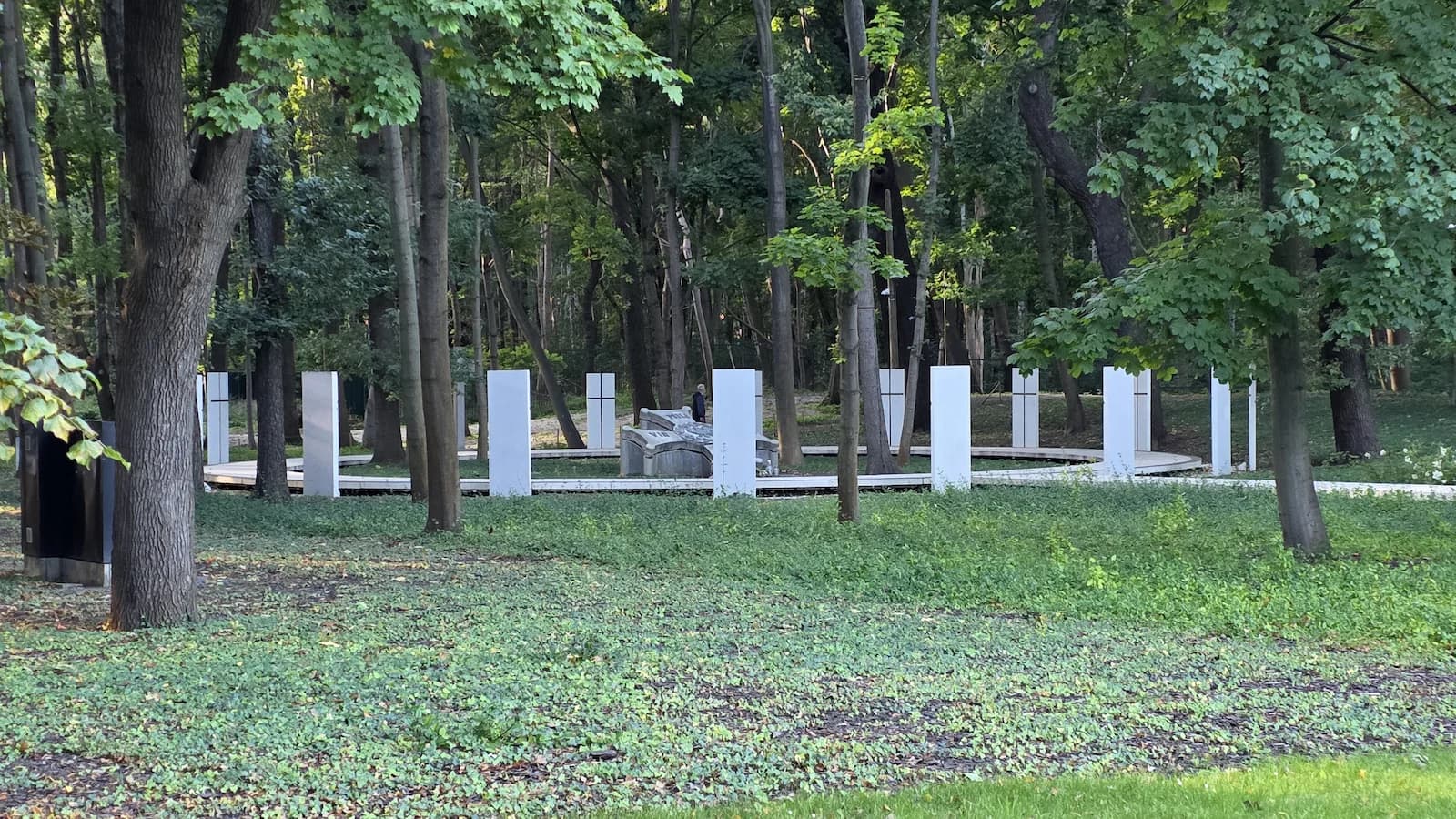
This fully guided and immersive WWII tour will explore the people and places of Poland, from the September 1939 German invasion, through the two uprisings of Warsaw (the Ghetto in 1943, and entire city in 1944), through the liberation of Auschwitz-Birkenau outside of Krakow. In addition, we will see acclaimed cultural sites and have time to explore magnificent cities and experience the rich milieu of east-central Europe – the people, food and drink, art, music and more. Poland is a dynamic country with deep historical roots. Nicolaus Copernicus, Frederic Chopin, and Marie Curie are just some of the world-changing Poles we will meet on this journey. The ties between Poland and the USA reach back to our War for Independence, as Polish military commanders Tadeusz Kościuszko and Casimir Pułaski contributed greatly to the Patriot cause. Poles immigrated to America in large numbers, with Chicago known as the second largest Polish city (after Warsaw!) Today, Poland is a proud member of NATO and the EU and is a bulwark of freedom and democratic ideals.
90 years ago, WWII in Europe commenced with German panzers and stukas crashing across the Polish border. While Americans, naturally, focus on the “Western” campaigns of North Africa, Italy and, especially, northwest Europe from D-Day through the Battle of the Bulge and on into western Germany, scholars know that the main theater of the war was the Eastern Front. The Soviets and Nazi Germany engaged in a titanic land struggle that dwarfed the Western invasions. This expedition will examine several key elements of that Ost (“East”) front, including its first campaign in Poland and its last battles for that country in 1944-45. We will also examine aspects of the war such as Final Solution death and concentration camps, and the Resistance of Poles and others. Finally, in each of the major locations, we will examine what came next – the Cold War struggle for more than 40 years that engaged the efforts of the USA and the USSR and their allies. Further, we will explore the 1980s Solidarity Movement in Poland, among others.
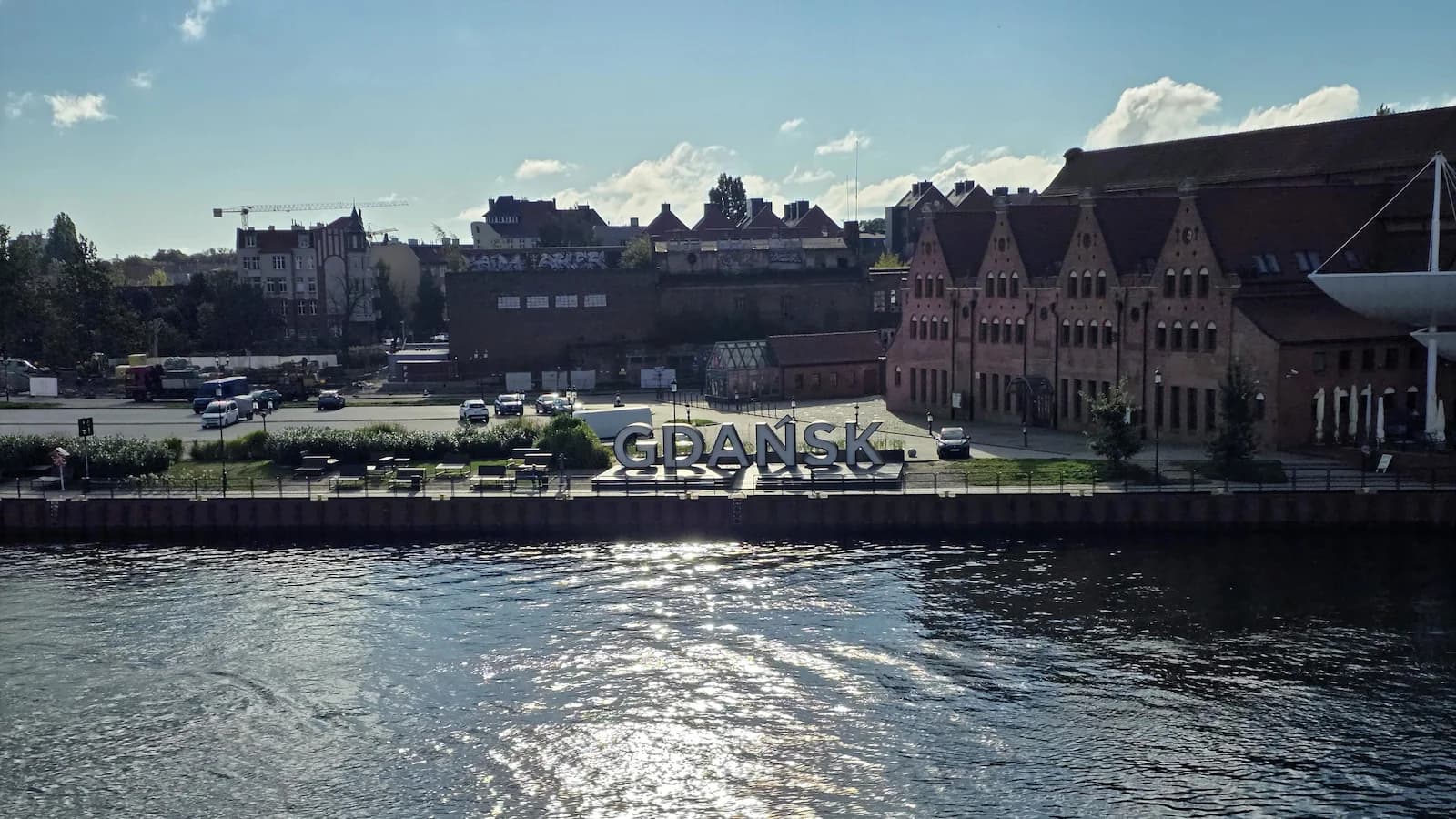
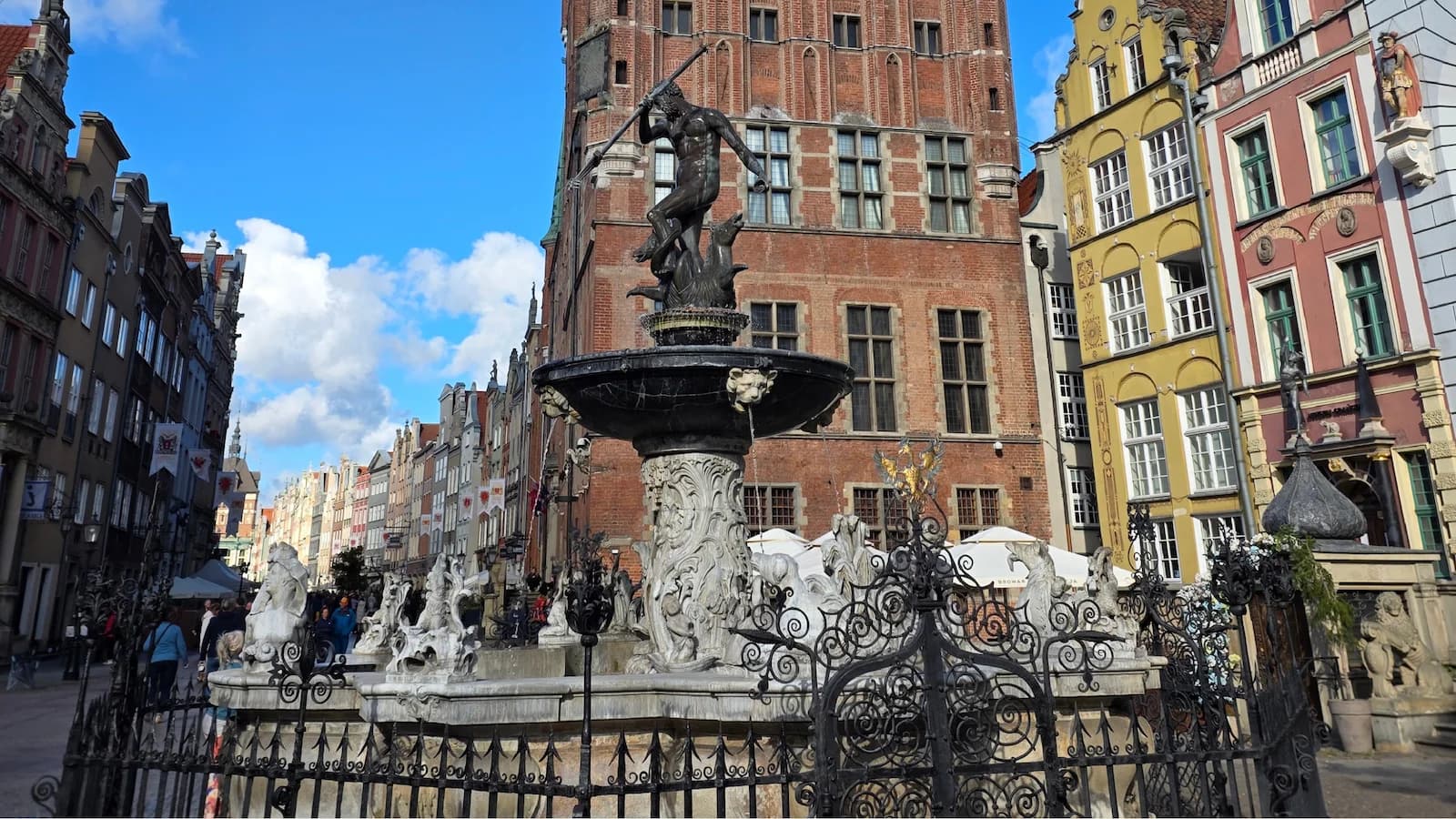
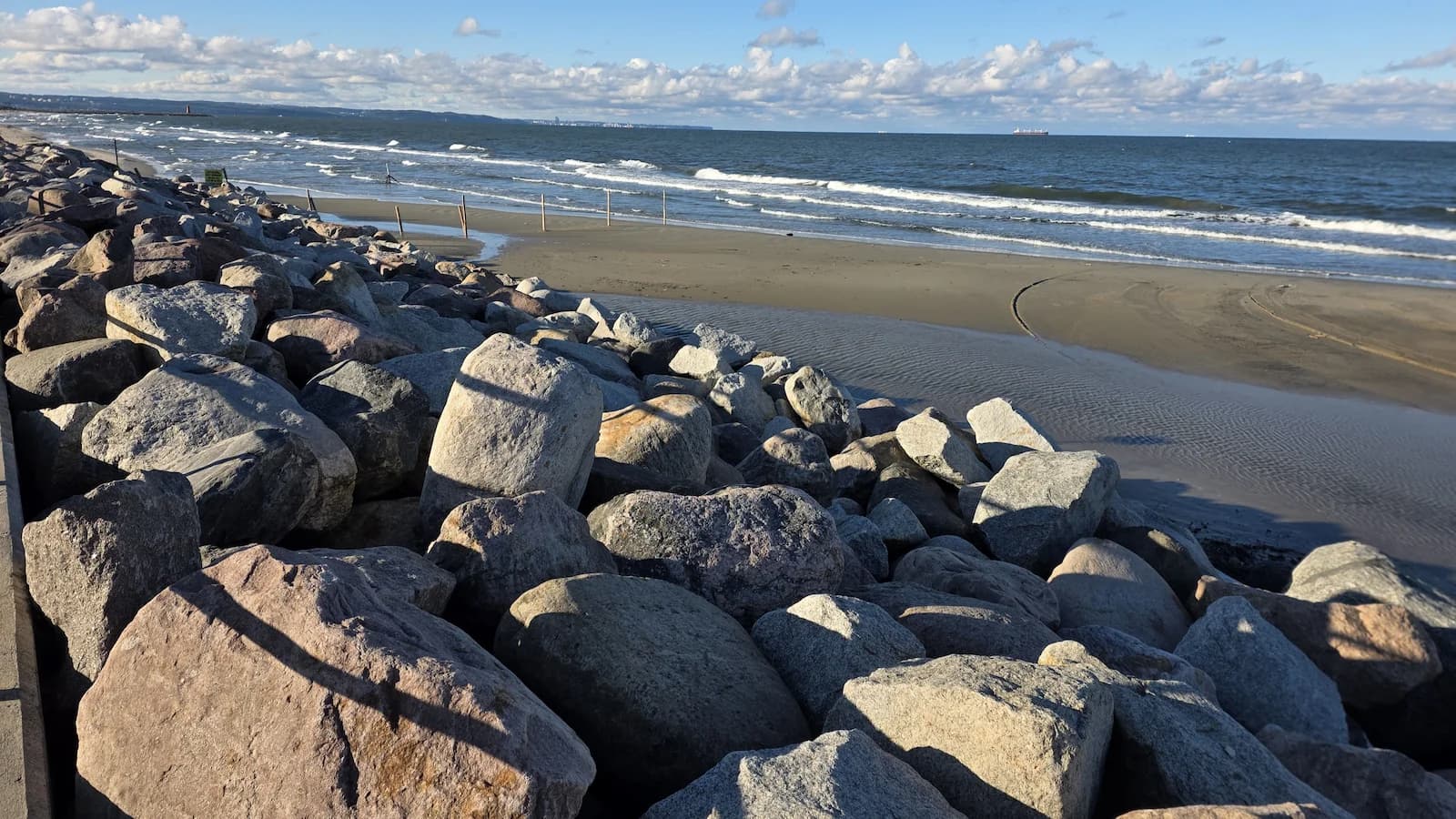
We begin in Gdansk, an old port city also known by its Germanic name of Danzig. The picturesque Old Town captures the soul of seafaring peoples, from the days of the old Baltic Hanseatic League through to today. Napoleon’s forces captured the fortress in an 1807 siege in the war against Prussia and Russia. The city remained a flashpoint, caught between Germans, Poles and others. As such, it has several times in history been declared a “free city” open to all, including from 1920-39. However, on September 1, 1939, the Germans invaded and WWII in Europe began here in Gdansk. The heroic defense of the Westerplatte captured the imagination of the world and we will begin our story there. Here was also the home of the Solidarity Movement against the government, the most important of all anti-Communist programs, begun in 1980 under the leadership of Lech Walesa.
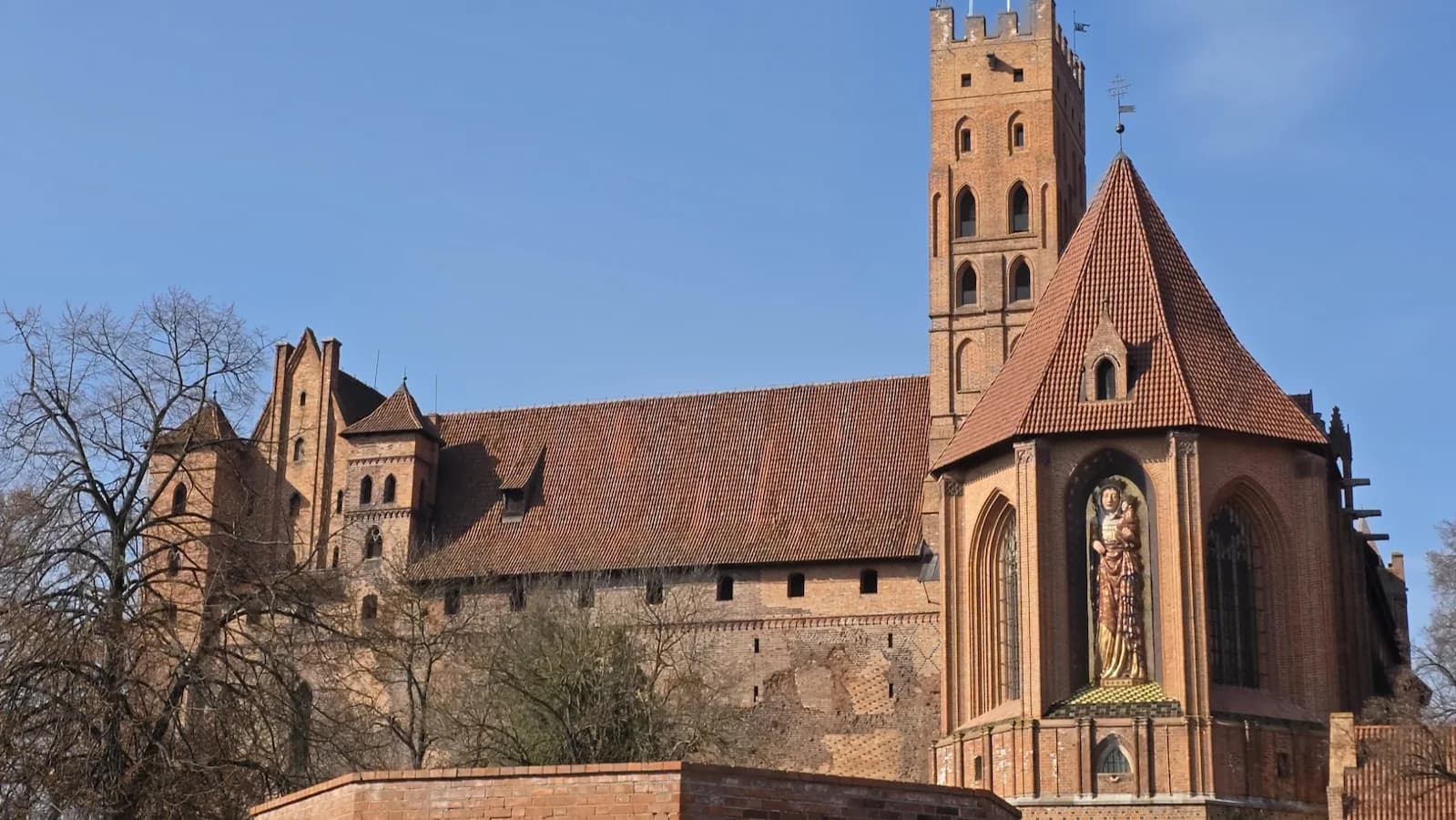
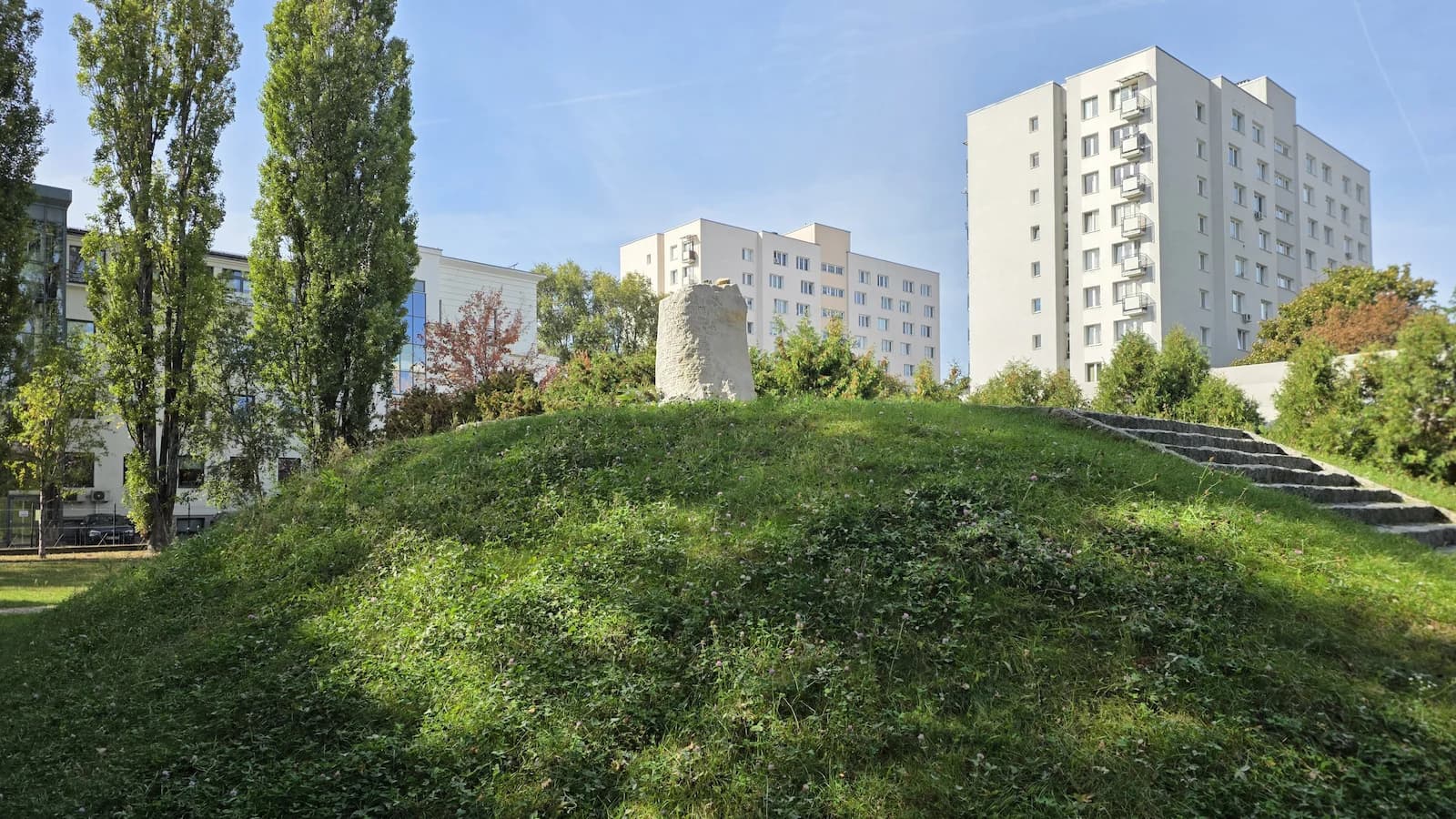
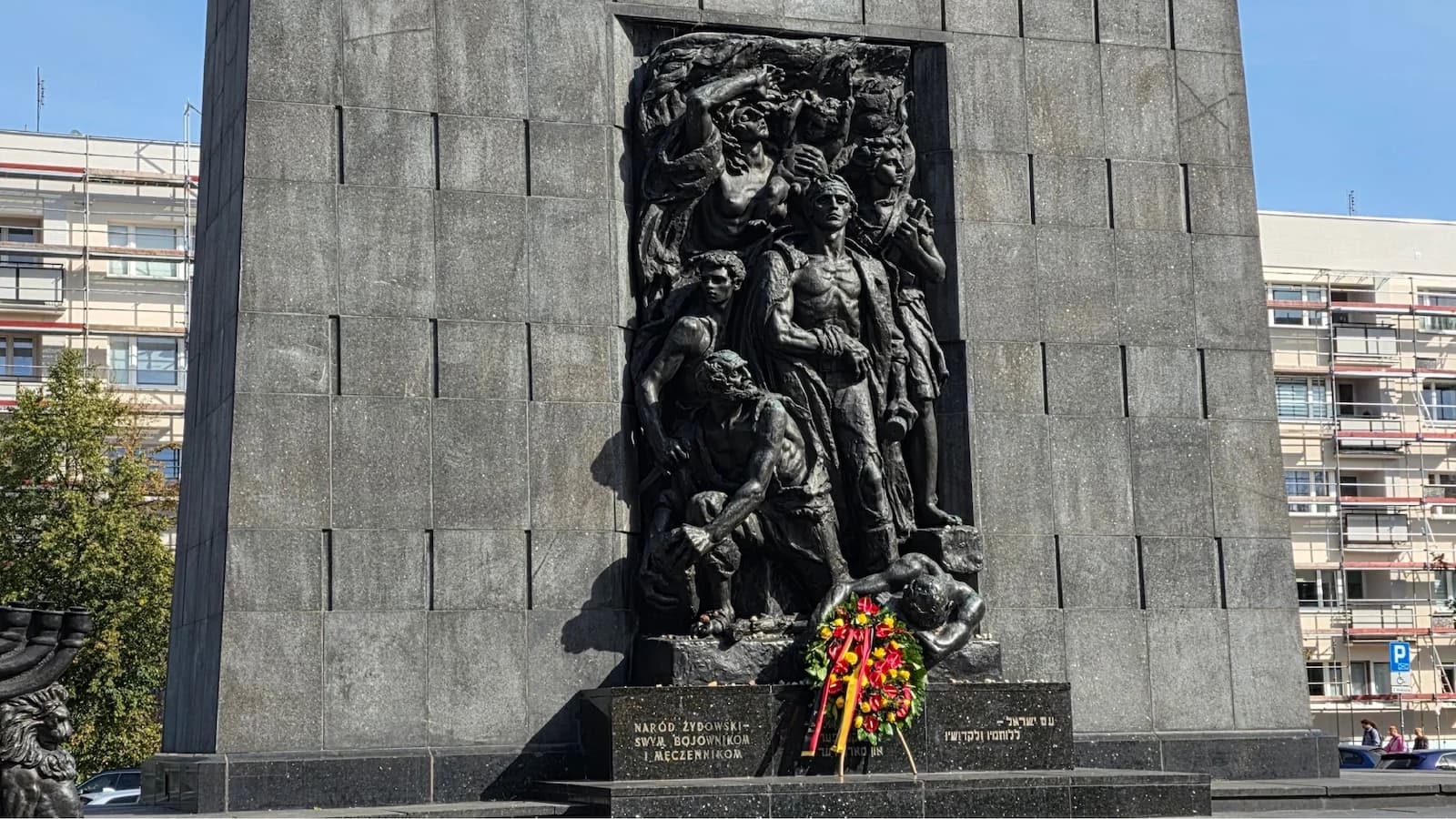
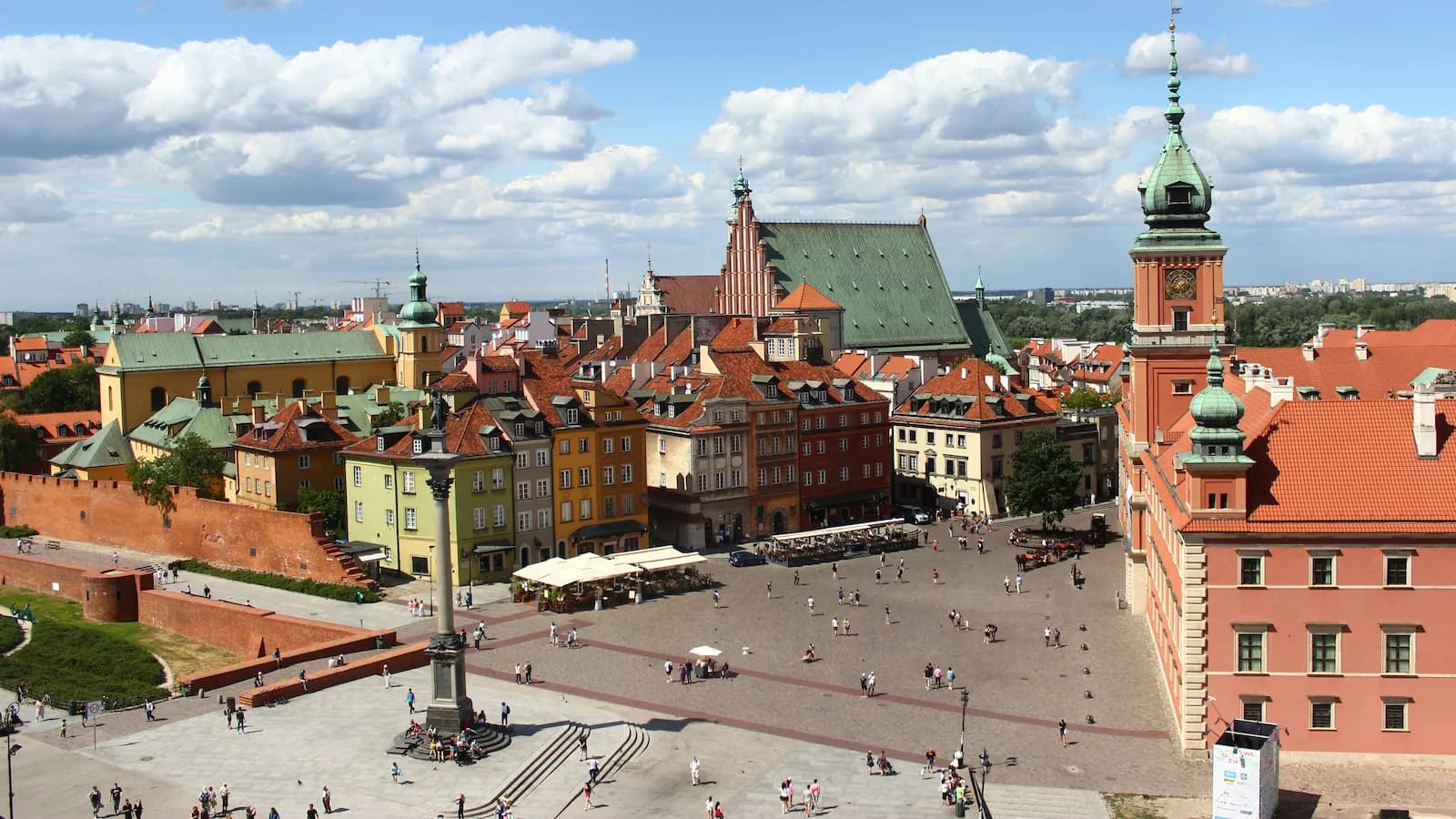
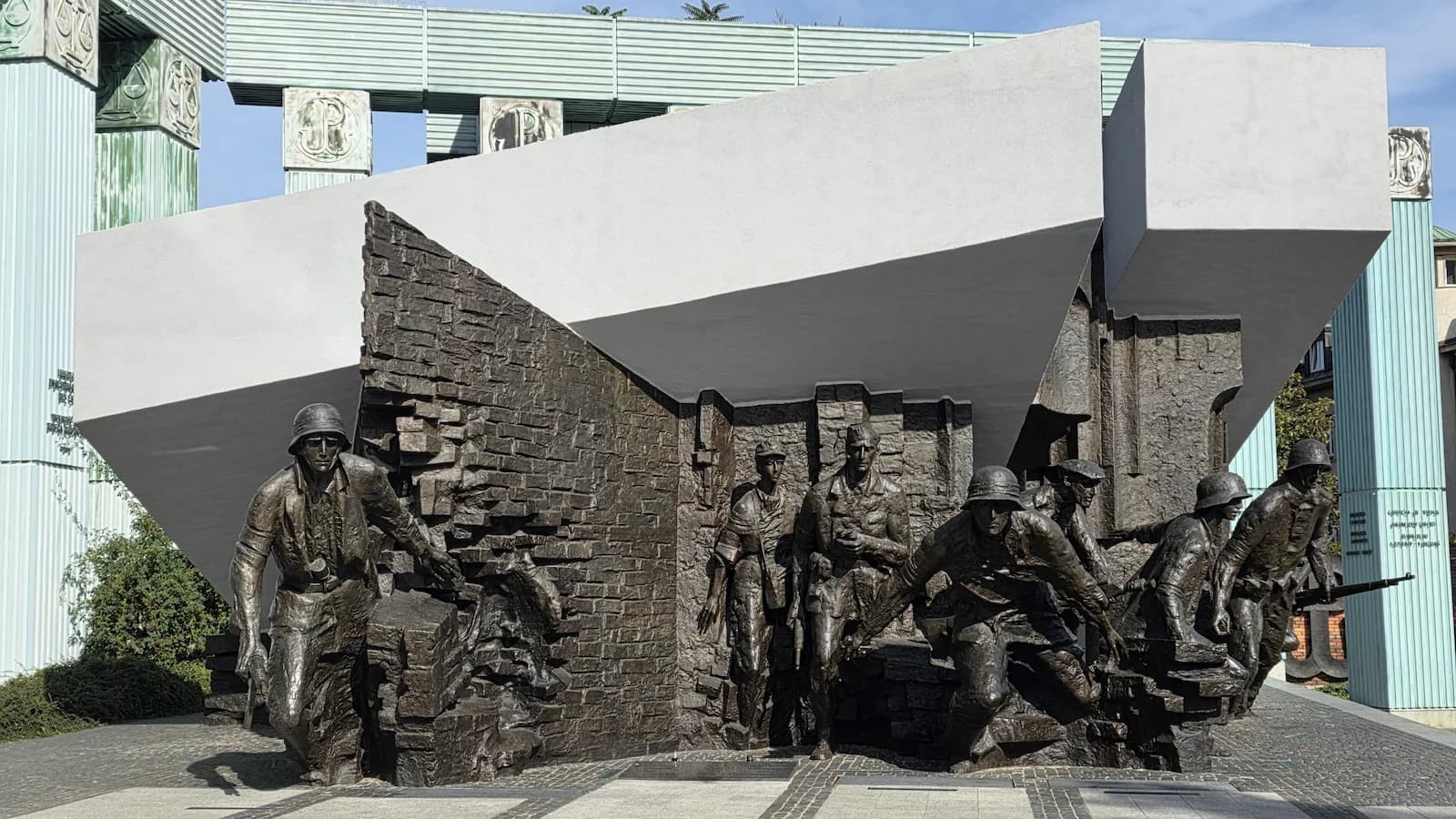
Moving southeast to Warsaw, by way of visits to Hitler’s Wolf’s Lair headquarters and the critical middle-age battle of Grunwald, we will examine gallant Poland’s abortive uprisings against the German occupiers in 1943 and 1944 (the first, the famed Ghetto Rising). No one fought as valiantly as the Poles in this war, from these risings to the tens of thousands fighting with the Western Allies in Italy and France-Germany. In earlier history, King Sigismund moved the Polish capital here from Krakow and his statue graces the beautiful Old Town. Although nearly totally destroyed in the fighting of 1944, Warsaw has risen in dynamic fashion.
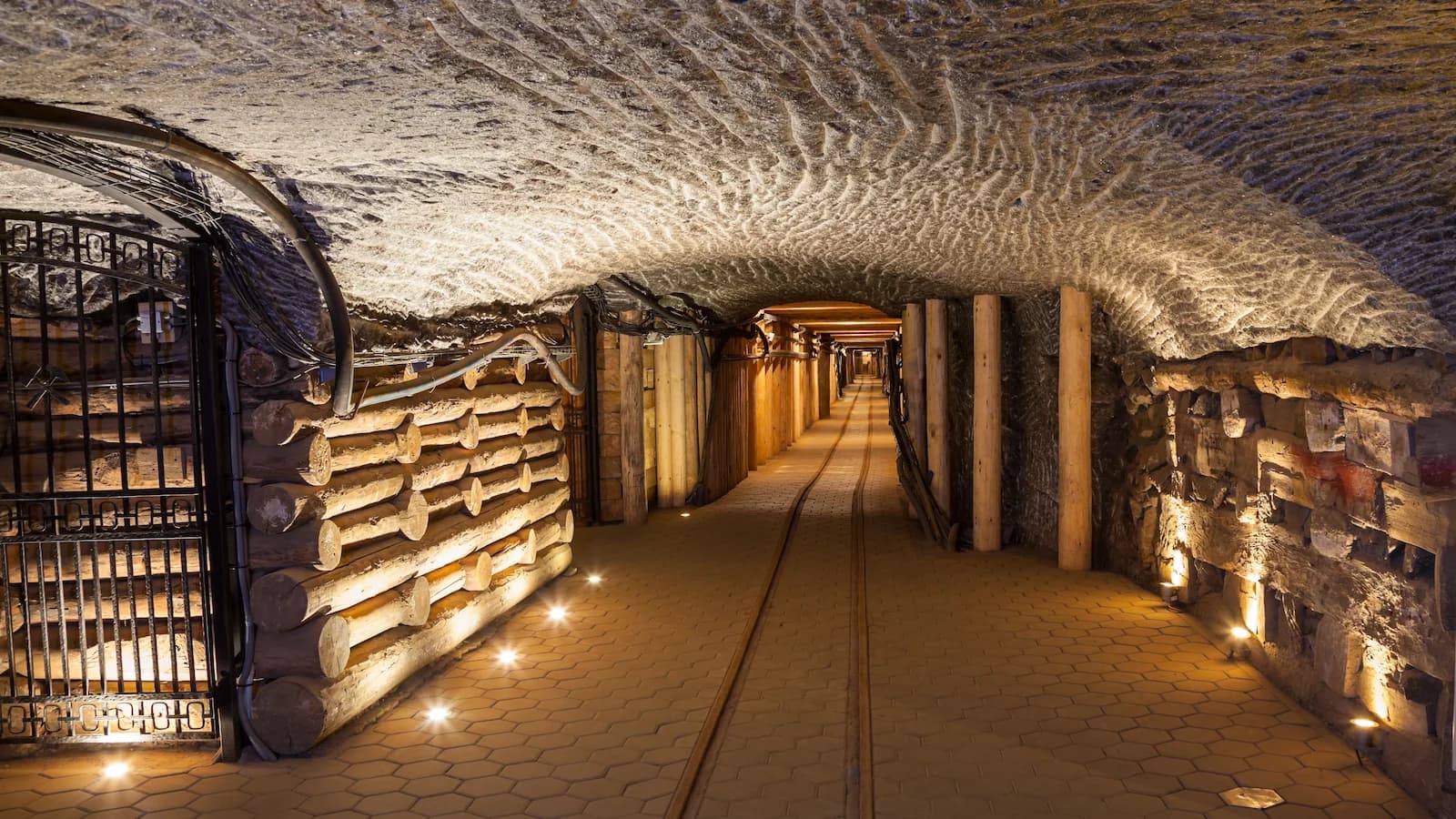
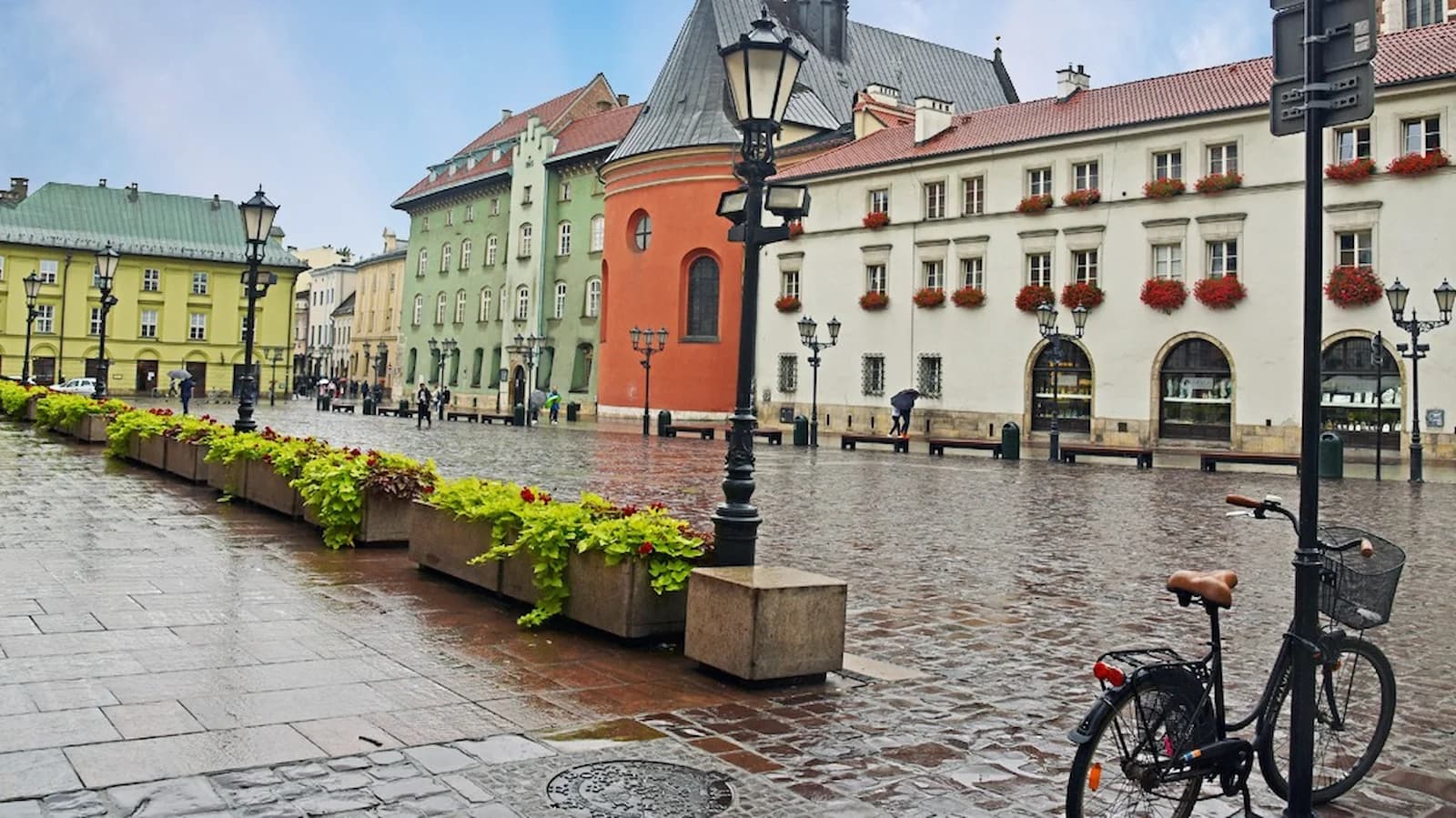
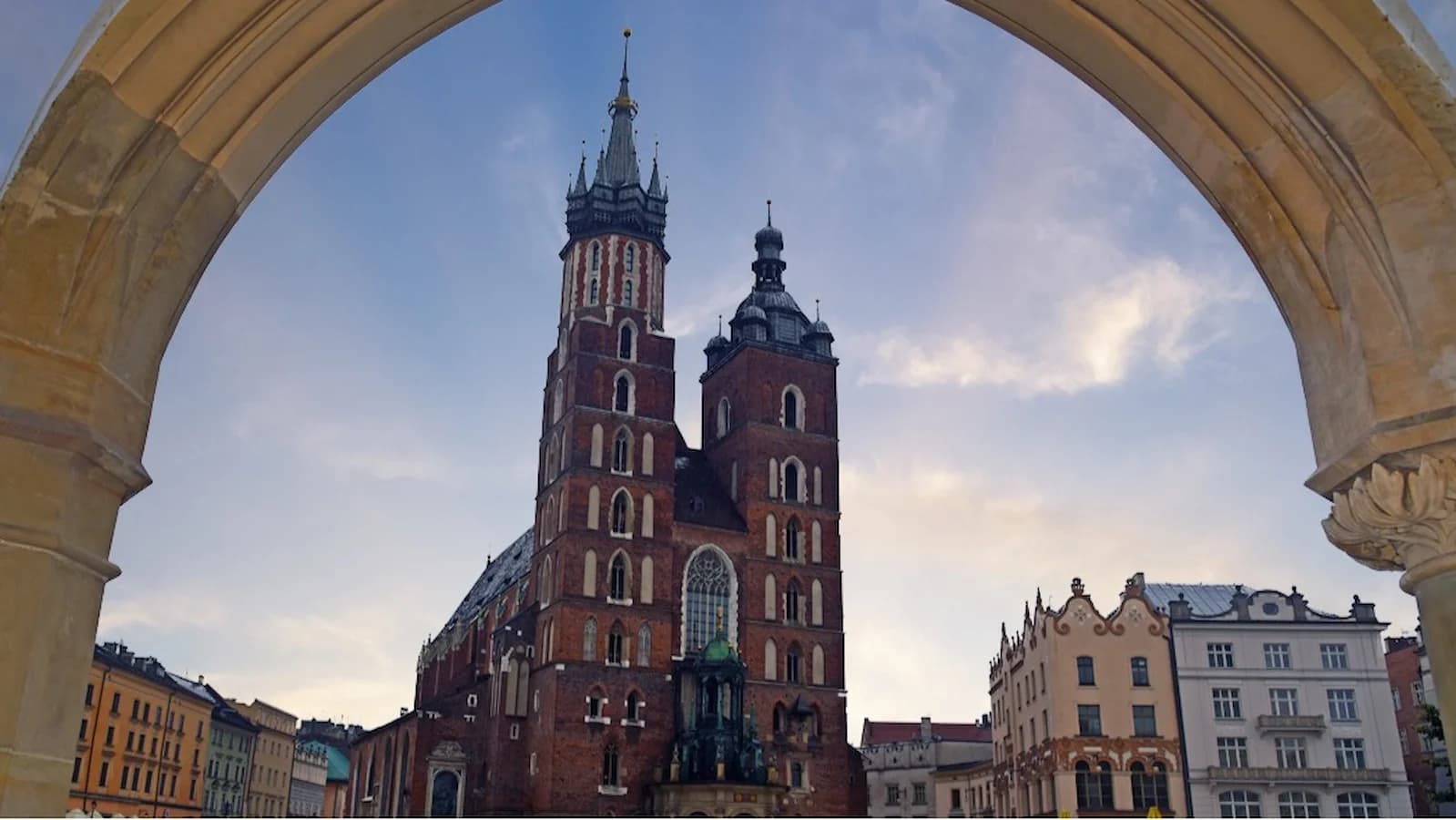
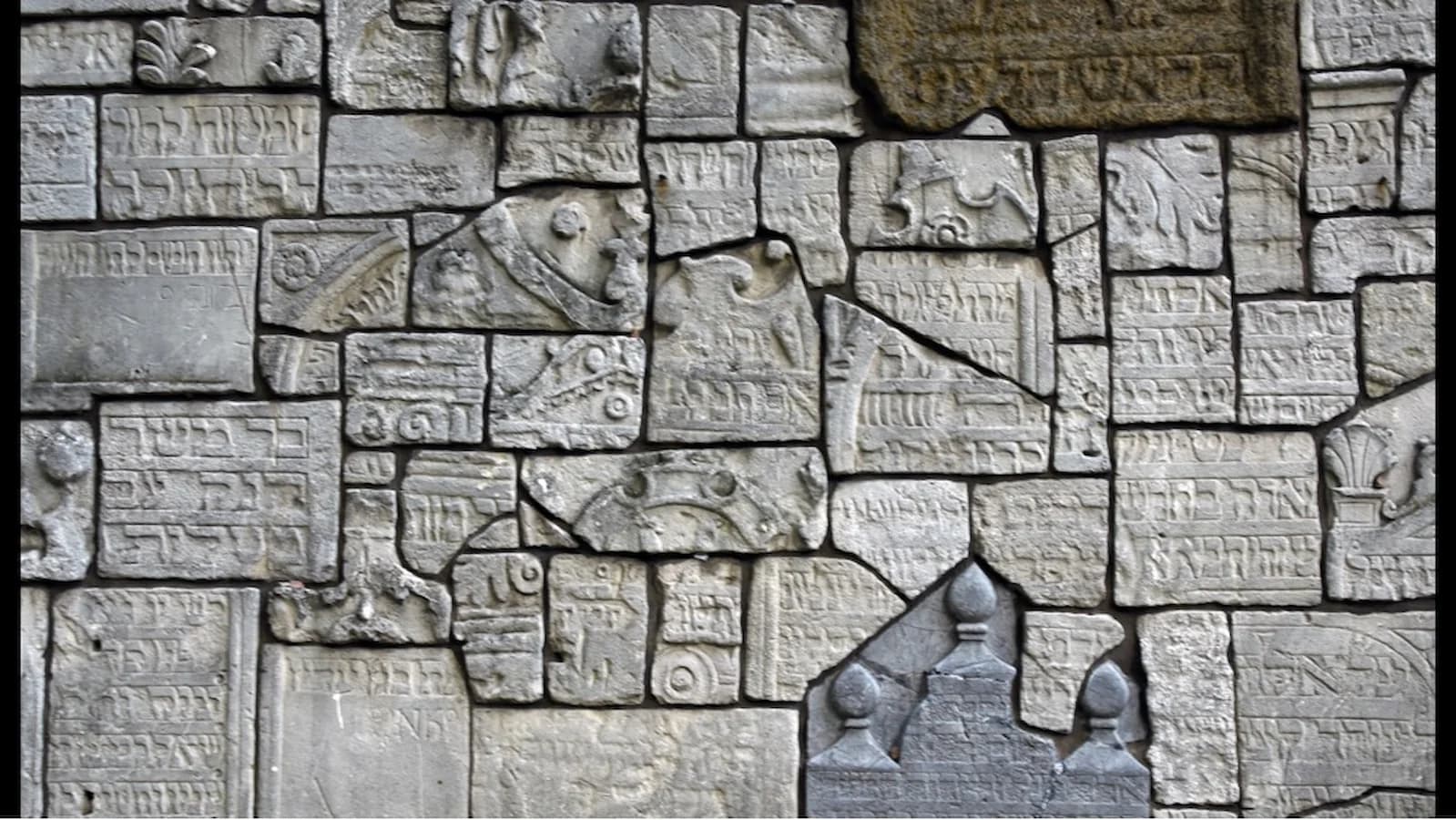
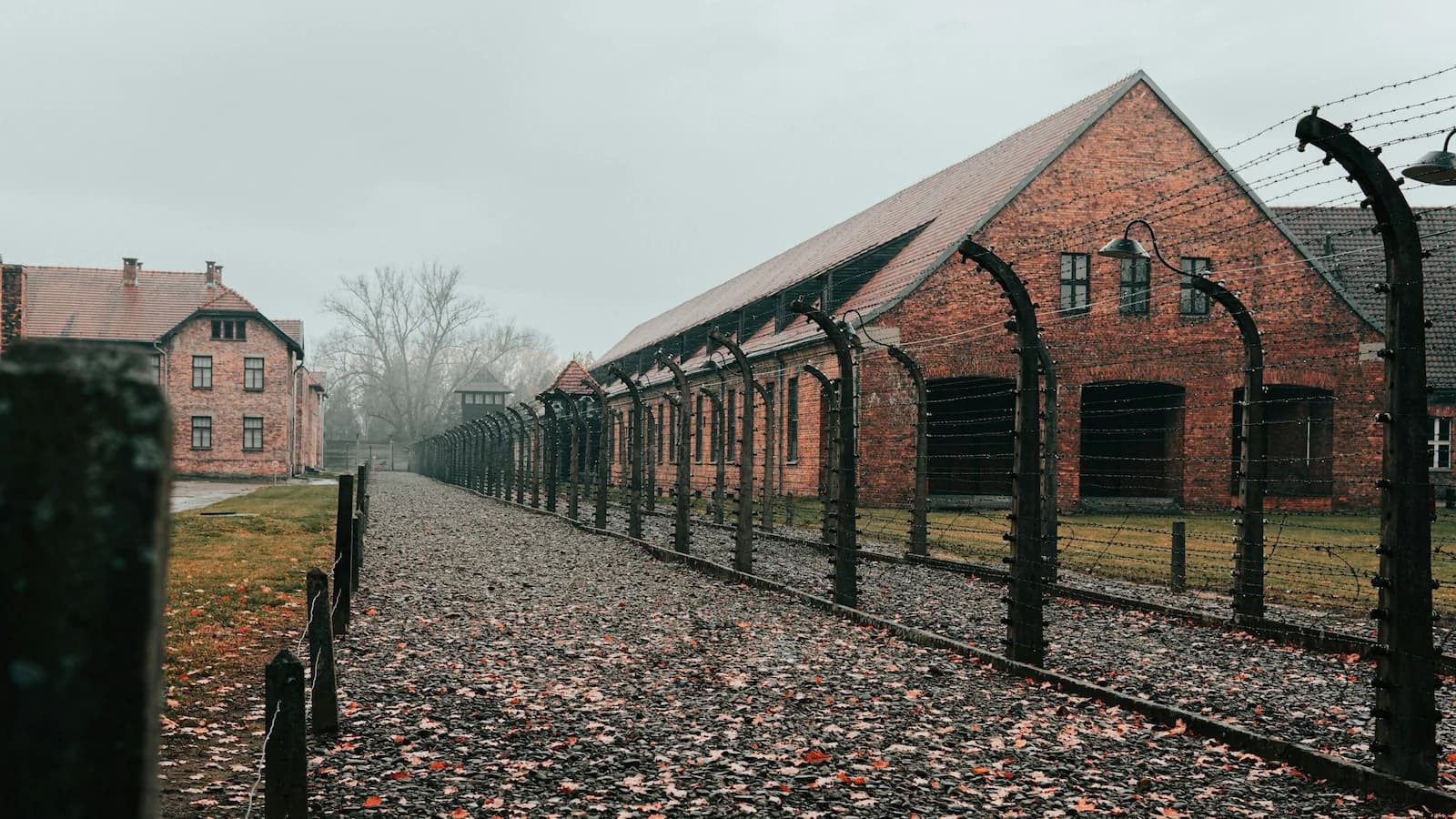
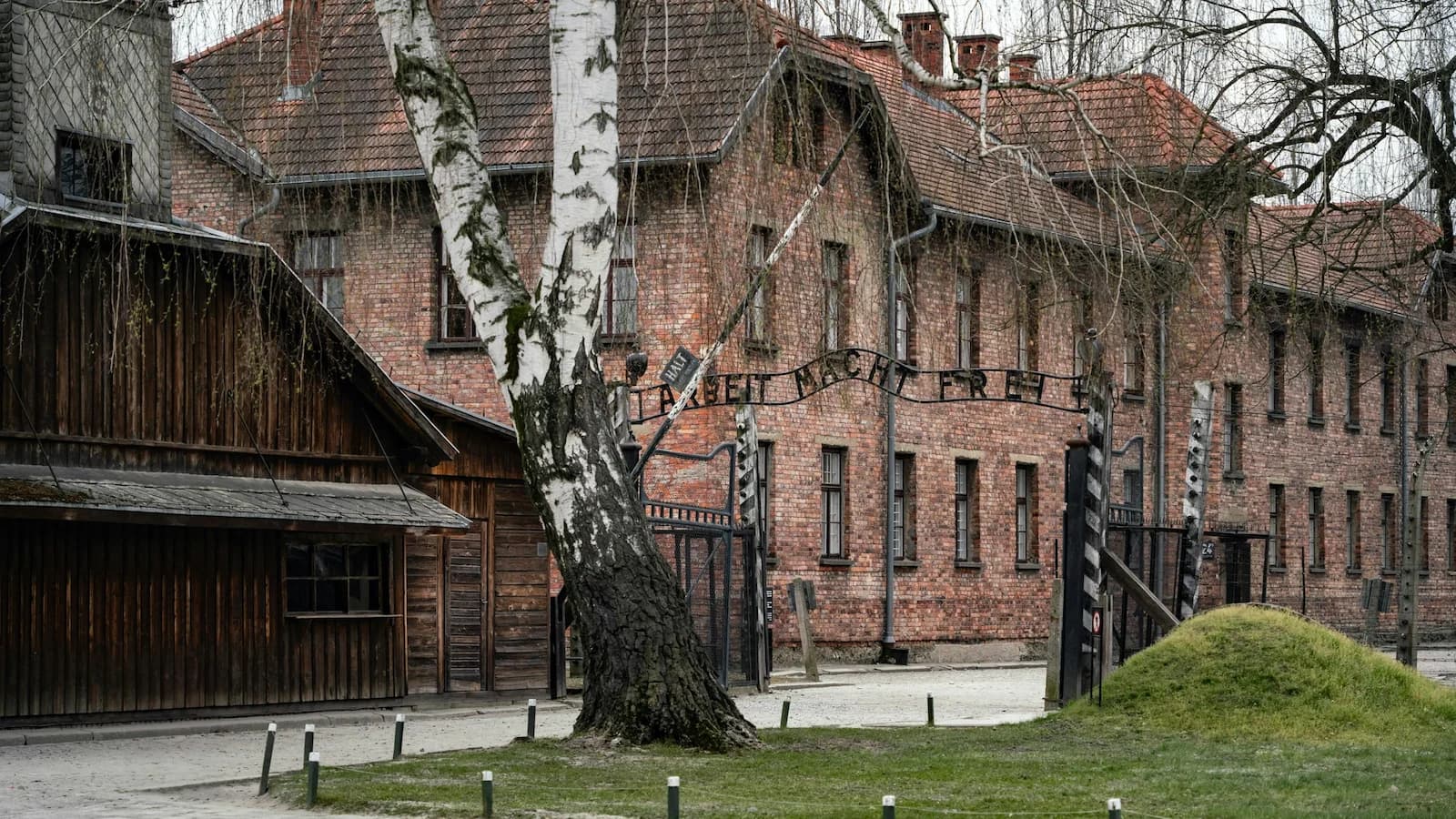
Our final location is Krakow in the Carpathian foothills. This was the Nazi military’s most significant garrison, and from here we will explore the chilling Nazi death camp apparatus at Auschwitz-Birkenau. Krakow is the historic heart of Poland and remains one of Europe’s most beautiful cities. It was long part of the Habsburg Empire and is Western-facing and lively, while Warsaw is a more conservative Eastern-facing city. While it has long been a very Catholic city, King Casimir had welcomed Jews in the 14th century and by 1939 the city was 25 percent Jewish. Poland also had the most Jews of any country in Europe. The art, architecture and natural setting, along with the history, combine for a memorable visit.
The “re-independence” of Poland in 1990 has created an economic and diplomatic powerhouse in the center of Europe. For centuries this nation has occupied a critical space on the Continent’s stage. At no time was this more true than in the years of World War Two and the subsequent Cold War. This expedition will take us to new regions and provide expansive opportunities to discover how our new world came to be.
Inclusions
- Ten days and nine nights of in-depth guided tours.
- Full-time professional historian or military strategist.
- Full-time tour director for personalized tour support.
- All museum and other entrance fees per itinerary.
- Daily transportation on luxury bus.
- Meals as identified on the itinerary, including all breakfasts.
Exclusions
- Flights to/from Europe.
- Airport transfers.
- Alcohol, unless specifically included in the itinerary.
Please note that the tour begins in Gdansk and ends in Krakow.
Pricing
Reserve your space on this expedition with a deposit of $1,000 per person today!
- Per person pricing will be available on this page 12-18 months before the expedition start date.
- We will contact reserved guests when we have released updated trip pricing.
- You may cancel or update your booking with no penalty when we release trip pricing.
- All deposits will be applied to your final invoice.
your expedition leaders
$1,000 per person